

EXECUTIVE SUMMARY
In our 13th consecutive year of operations in Iraq, we are pleased to present the mselect Iraq Employment Outlook 2025. This report is based on survey data collected from thousands of employers in Iraq across various industries. The analysis of this data provides valuable insights for both employers and employees, helping them navigate the current and future employment landscape in Iraq.
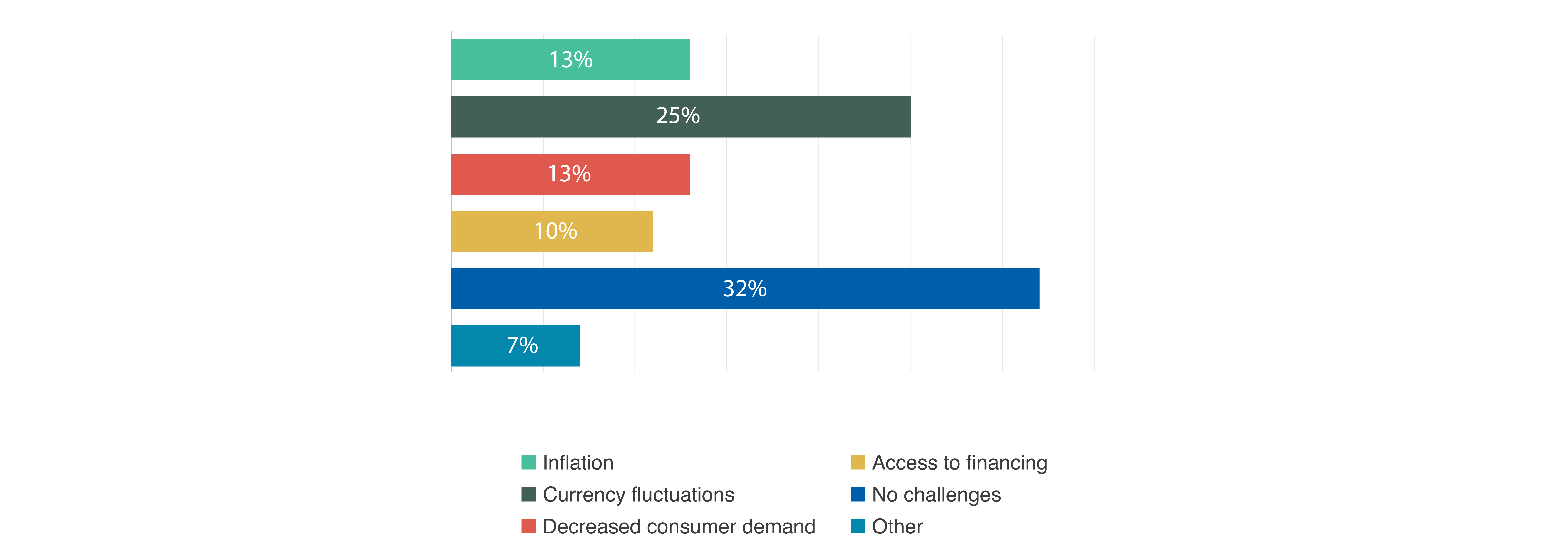
Challenges of the previous year, such as inflation and the disparity between the Central Bank of Iraq (CBI) and the market USD-IQD exchange rates, continue to impact employment. Other problems persist, such as security, political, and geographical instability. However, as the data shows, inflation and currency fluctuations remain the chief challenges.
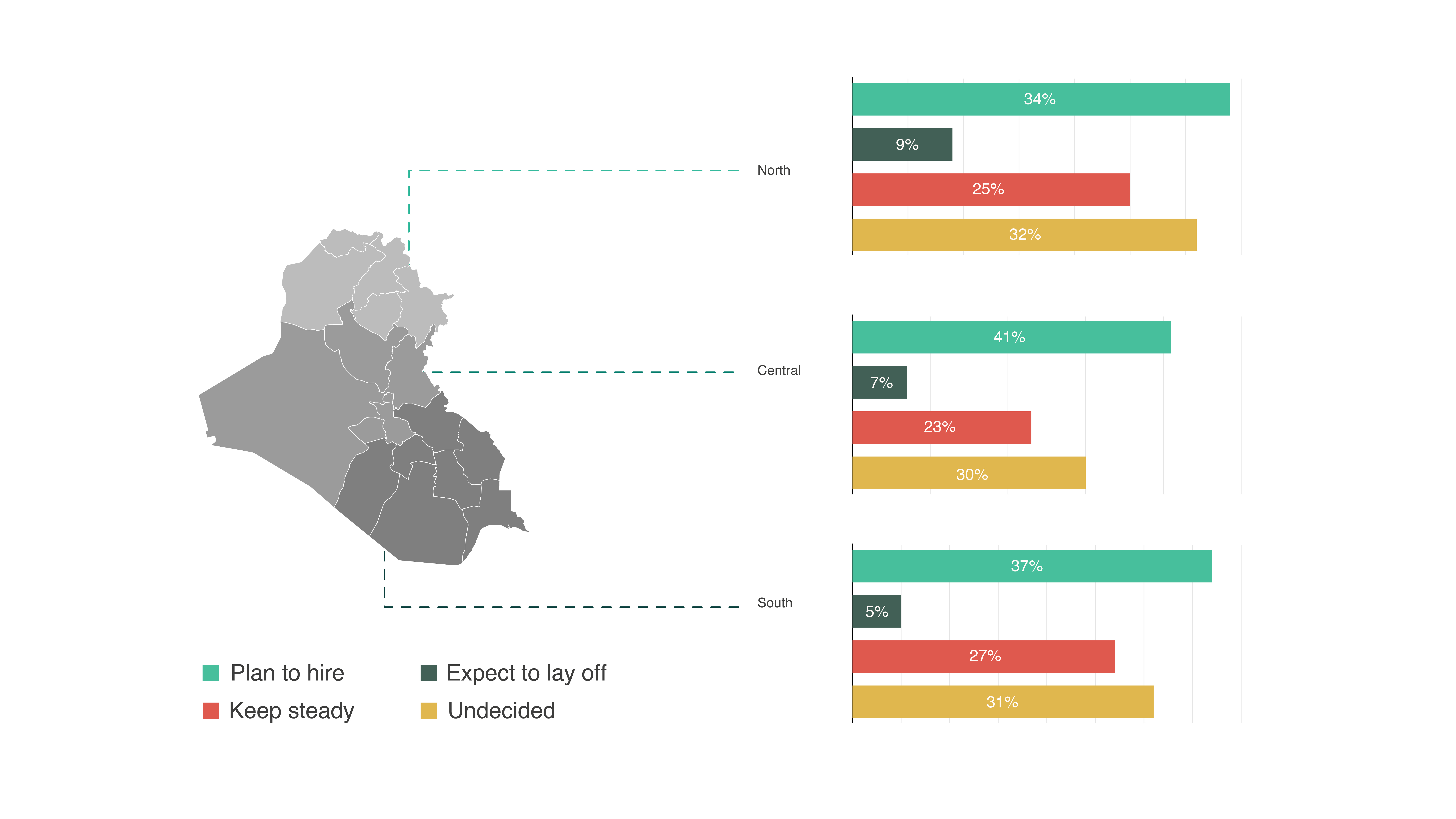
With regards to hiring expectations, employers in Central and Southern Iraq, where there are a large number of active projects with the highest economic activity, have an average hiring expectancy of close to 40%. In contrast, only 34% of employers in the North expect to hire in 2025.
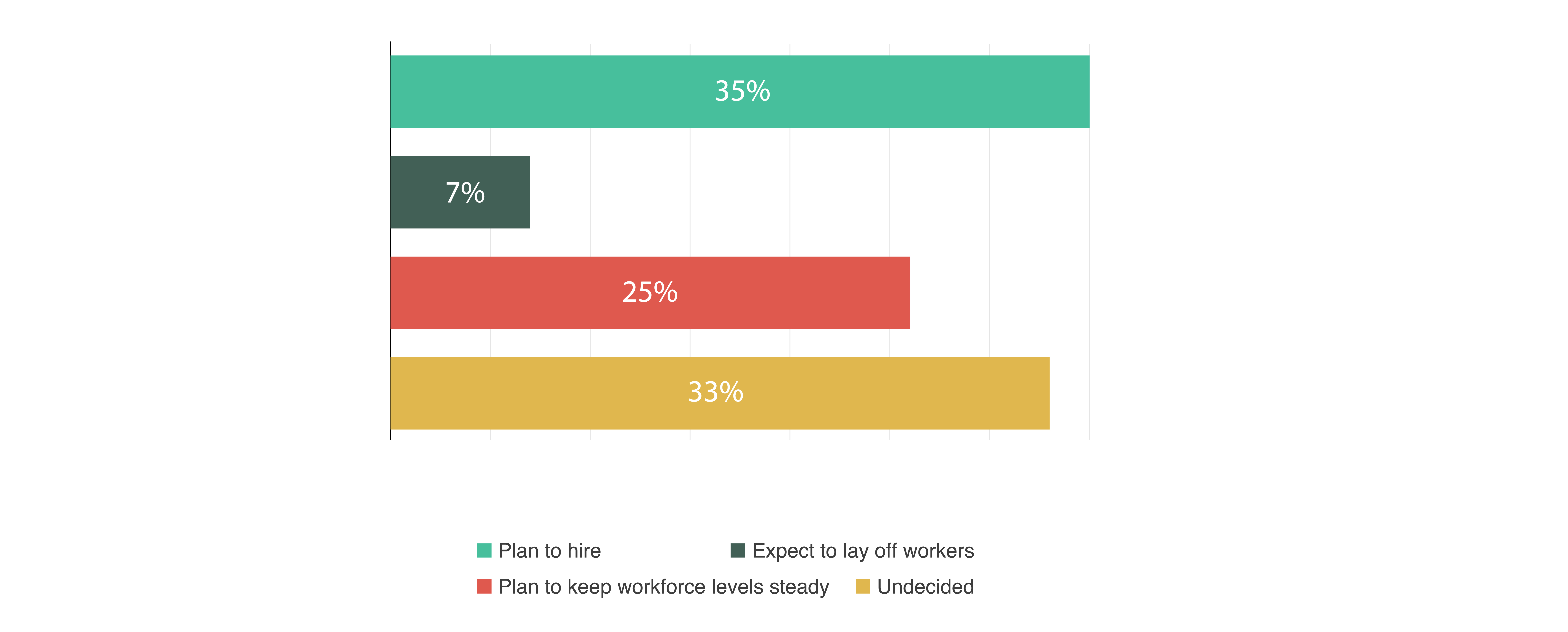
Across all sectors and regions in Iraq, only 7% of employers expect to decrease their workforce this year. Meanwhile, 25% plan to maintain their current employment levels, and 35% intend to hire new employees. A significant portion, 32%, remain undecided, indicating a consistent and growing sense of uncertainty. Among the different industries, the Industrial, Manufacturing, and Financial sectors have the highest hiring expectations. In contrast, the Banking, Construction, and NGO sectors have the lowest hiring expectations.
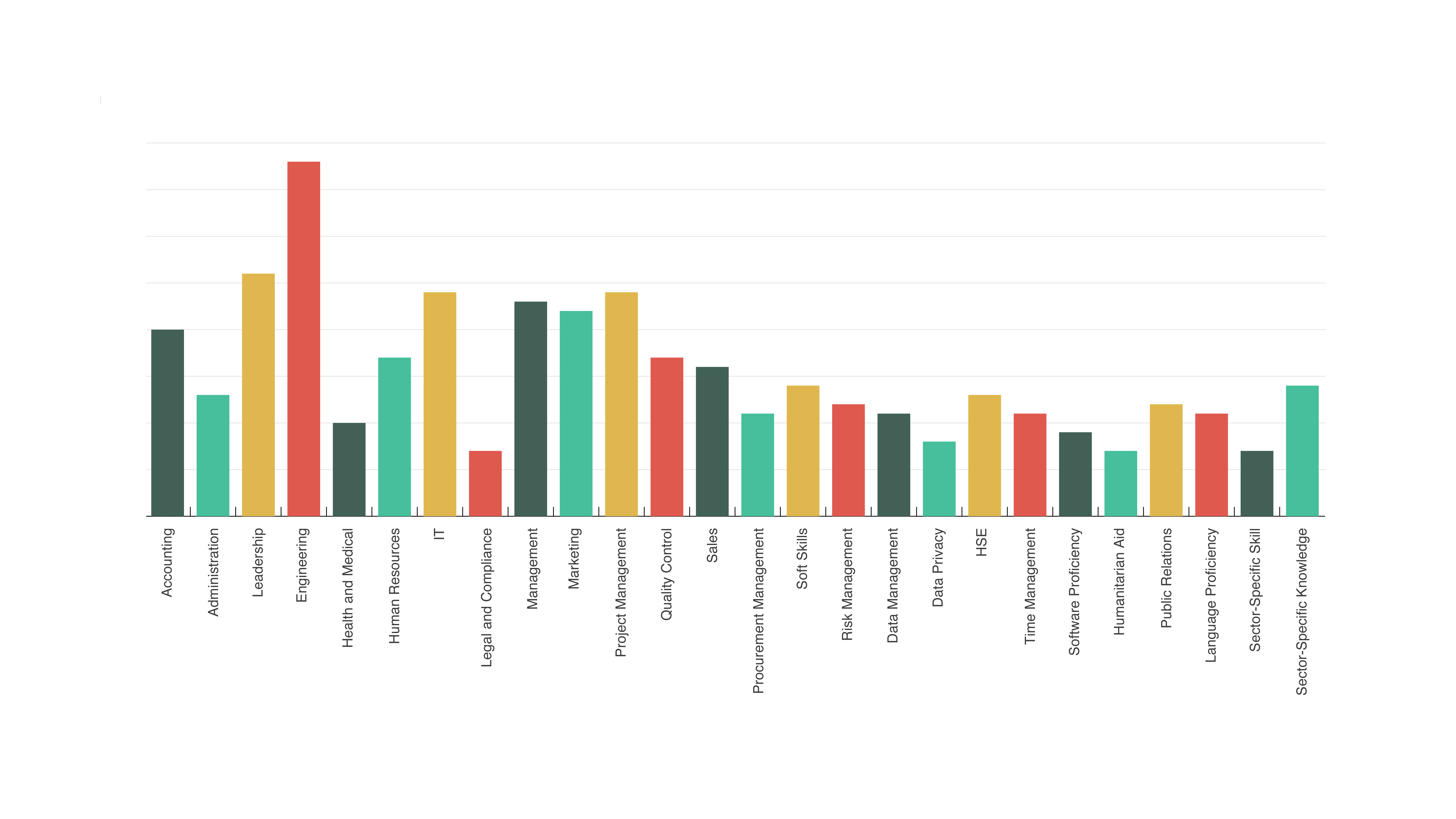
A skilled workforce is crucial for any business, and the survey revealed that employers recognise Engineering as the most lacking skill in Iraq, followed by Leadership and Project Management.
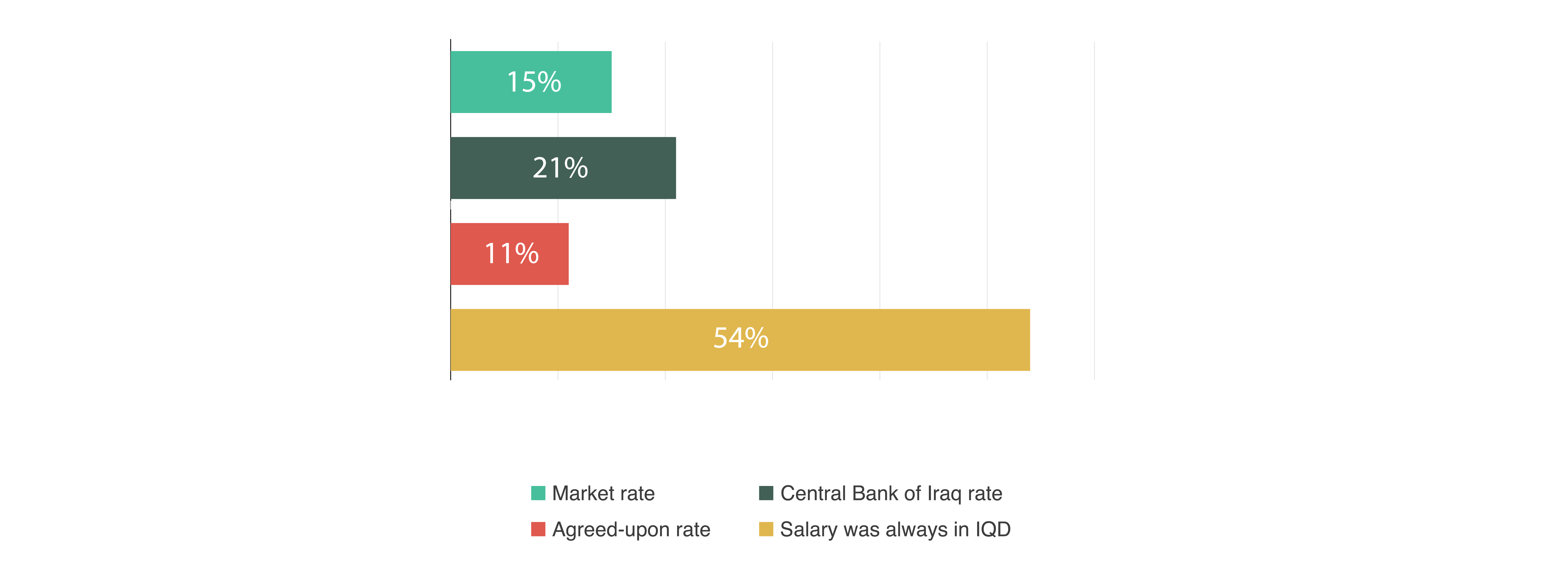
One of the key factors influencing employment in 2025, spilling over from last year, is the disparity between the CBI and market exchange rates. The survey found that for every person paid in cash, approximately three are paid through a bank. Furthermore, the majority (64%) of employees receive their salaries in IQD. The exchange rates used include the market rate (15%), an agreed-upon, compromised rate (11%), and the CBI rate (20%). For the remaining 54%, their salaries were in IQD before the fluctuations and regulations took effect.
A significant number (80%) stated they would not make any changes to salaries, while 18% reported increasing salaries. On the other hand, 3% experienced a decrease in their salaries in 2025. Nearly 76% of companies did not provide bonuses in 2025.
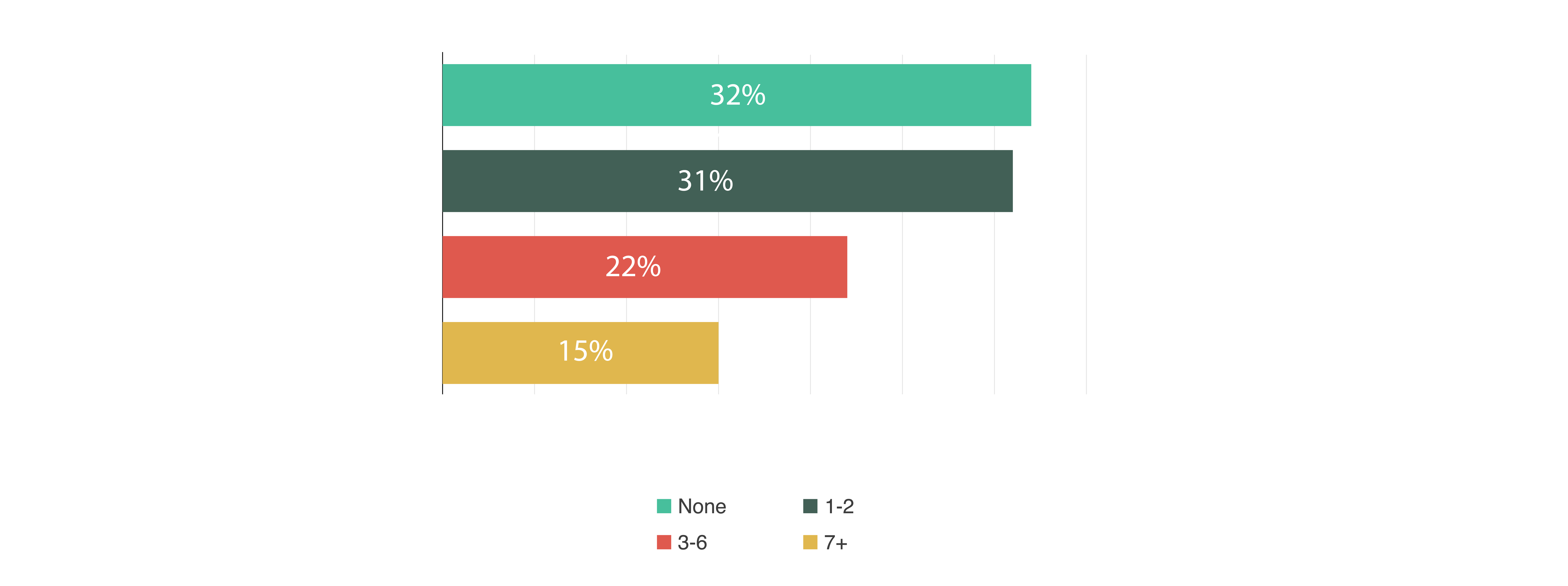
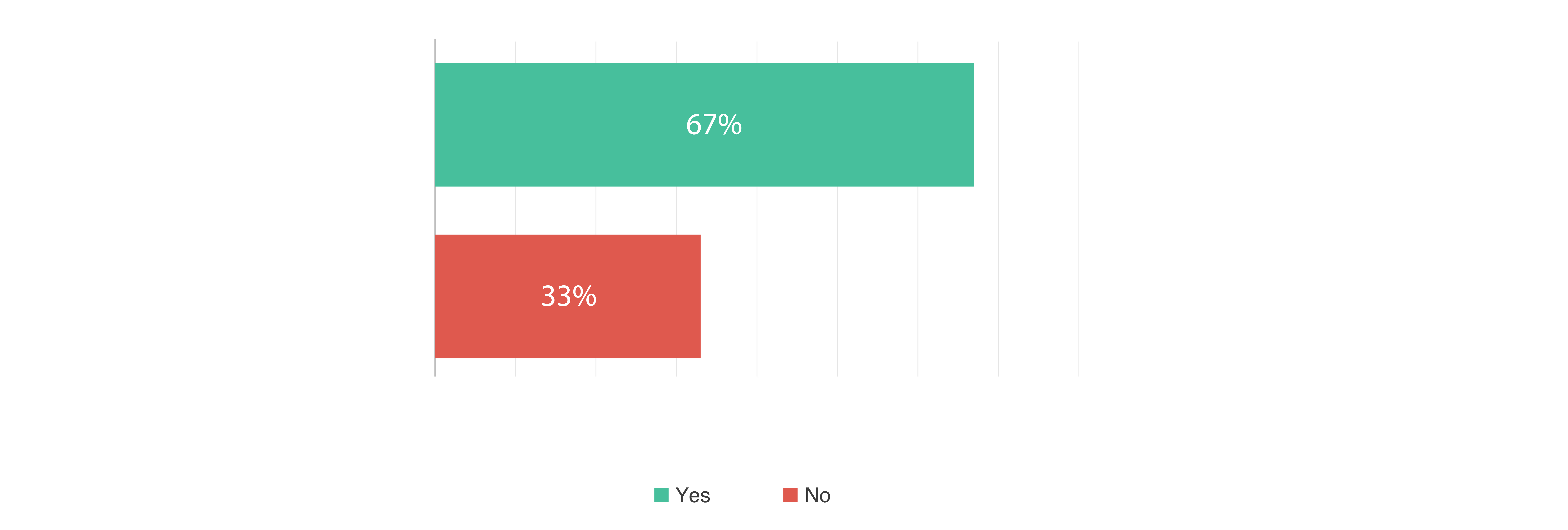
In terms of learning and development, approximately 32% of employers did not enrol their workforce in any training last year. For 2025, 67% of employers are intending to facilitate courses for staff.
HIRING INTENTIONS
The majority of employers, comprising over 74%, anticipate maintaining or expanding their current workforce levels. Approximately 30% remain undecided, while 7% anticipate potential workforce reductions. Notably, more than 30% express intentions to increase hiring, indicative of sustained growth and promising opportunities.
HIRING INTENTION BY REGION
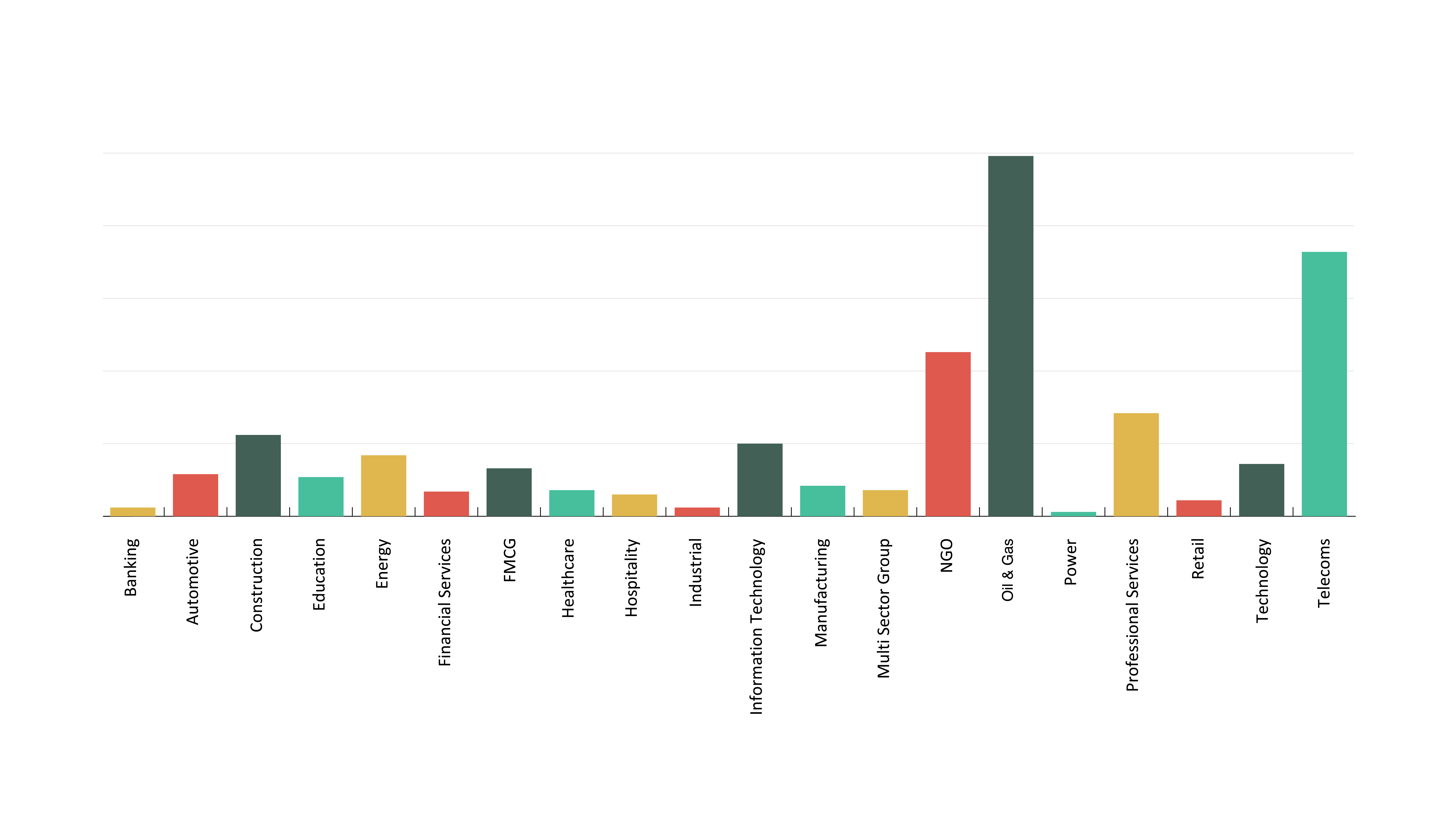
INDUSTRY OF PARTICIPANT COMPANIES AND ORGANISATIONS
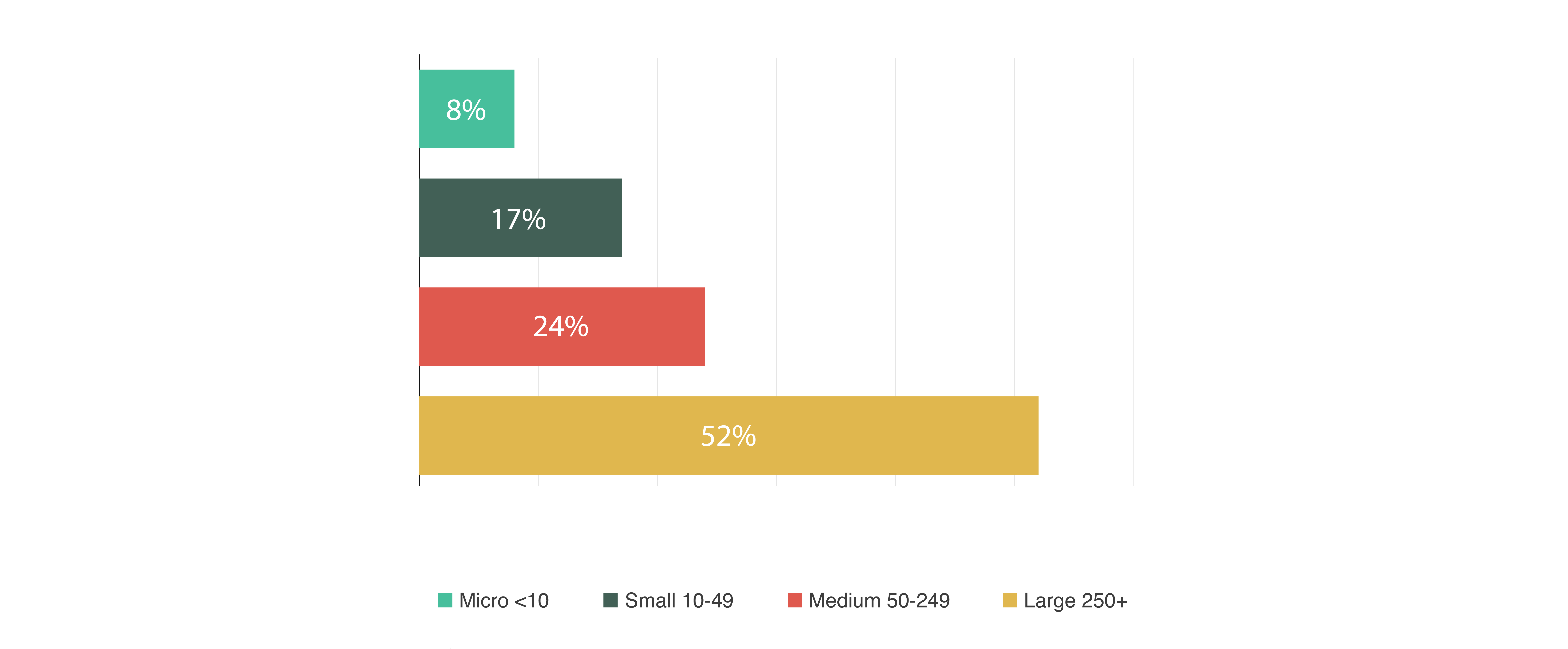
SIZE OF ORGANISATION
HIRING EXPECTATIONS FOR 2025
REMUNERATION
BONUSES RECEIVED

CHANGES IN SALARY

METHOD OF PAYMENT

CURRENCY

EXCHANGE RATE
SKILLS SHORTAGE
Skills constitute a pivotal component of operational success. Employers widely identify Engineering skills as the most in-demand in Iraq, followed by Leadership and Project Management, respectively.
This year, we’ve compared the skills most in demand, and
the training courses most participated in. The top 6 skills most in demand are also the top 6 most delivered training topics. This underscores the pivotal importance of training for the development of a productive workforce in any industry.

LEARNING & DEVELOPMENT
NUMBER OF TRAINING COURSES TAKEN IN 2025
TOPICS OF COURSES TAKEN IN 2025
ANTICIPATION OF ENROLMENT IN TRAININGS FOR 2025
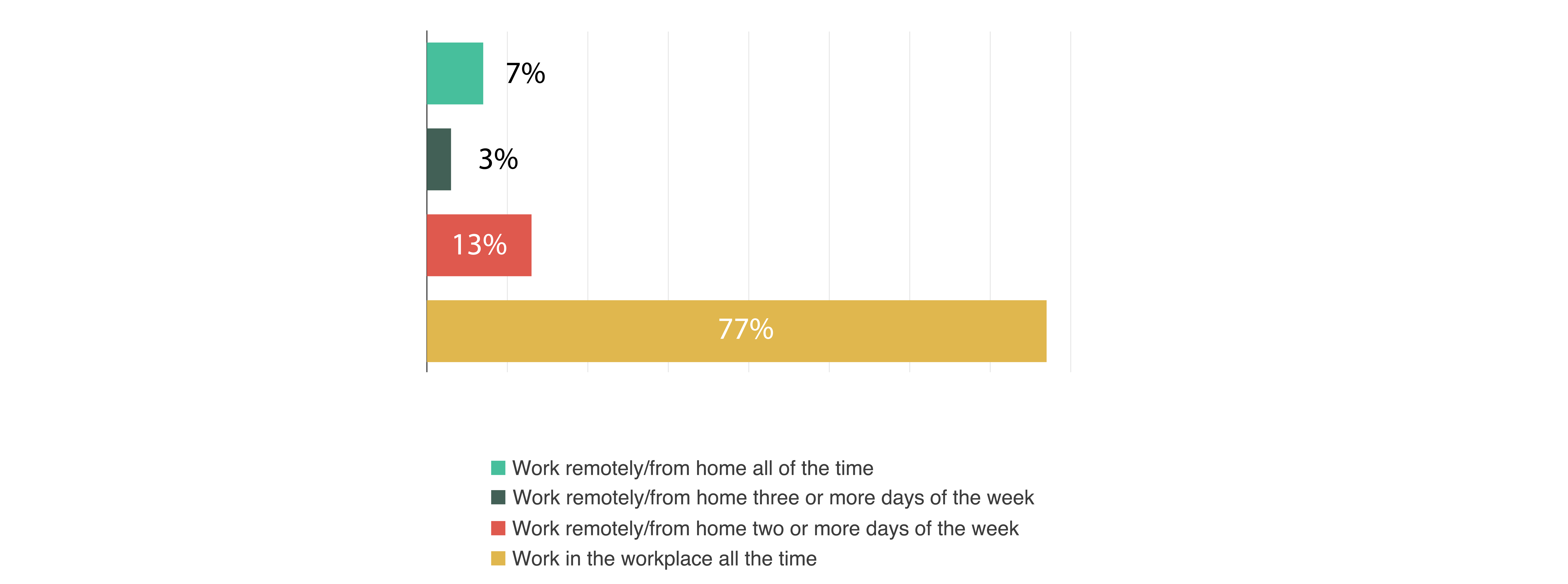
HYBRID WORKING
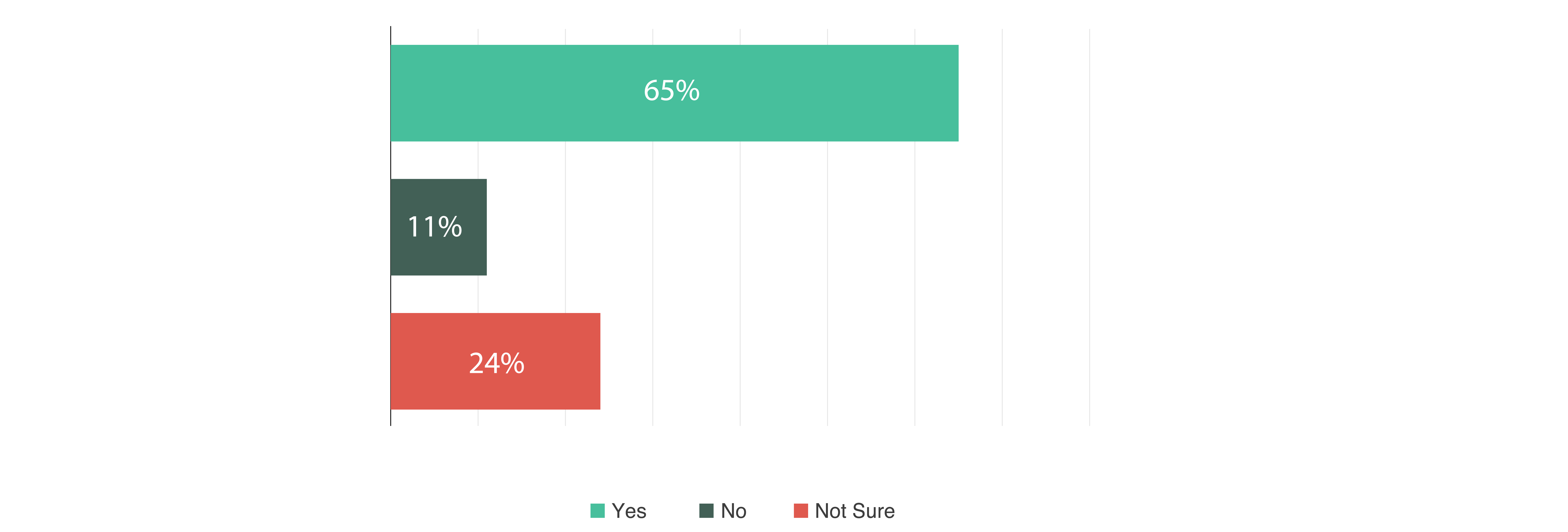
PRESENCE OF WELLBEING POLICY BY EMPLOYERS
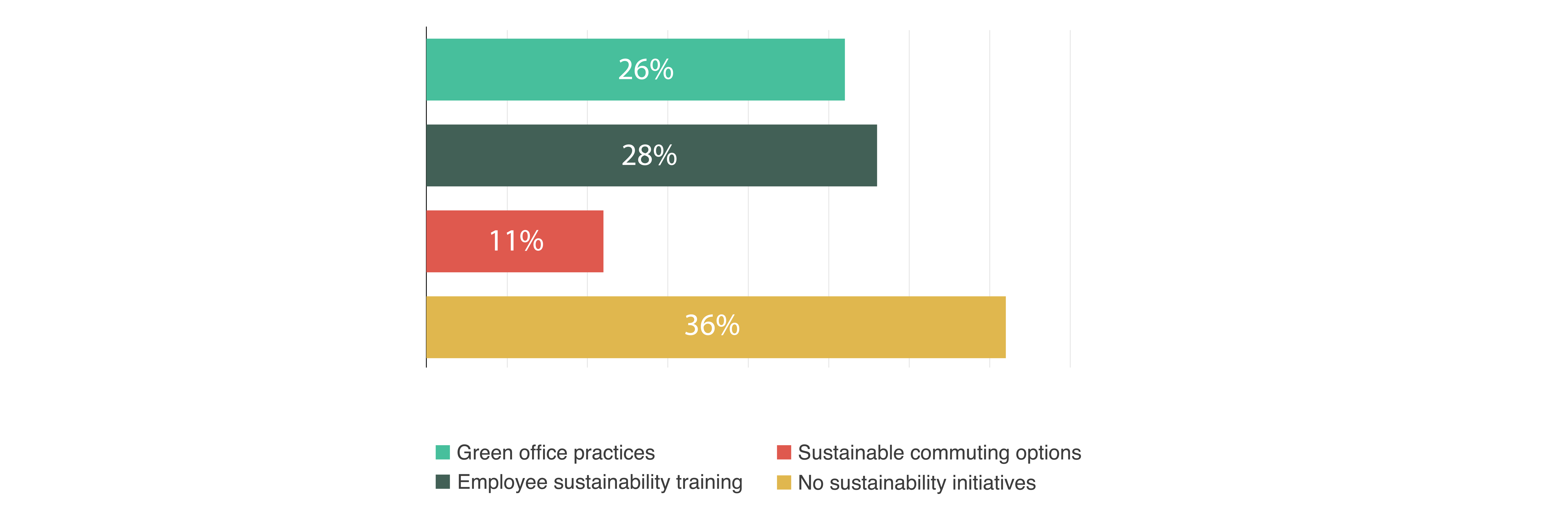
SUSTAINABILITY INITIATIVES
ANTICIPIATED CHALLENGES
ABOUT THE IRAQ EMPLOYMENT OUTLOOK
The Iraq Employment Outlook 2025, conducted in the 1st quarter of 2025, is the most comprehensive and forward-looking employment survey, used nationwide as a key economic indicator. The Net Employment Outlook is derived by taking the percentage of employers anticipating an increase in hiring activity and subtracting from this the percentage of employers expecting a decrease in hiring activity.
Independent
The survey is conducted with a representative sample of employers from throughout Iraq. The survey participants are not derived from mselect's client base.
Robust
This sample allows for analysis to be performed across specific sectors and regions to provide more detailed information.
Focused
The survey has derived information from one main question: "How do you anticipate total employment at your location to change in the twelve months to the end of 2025 as compared to the last year?”